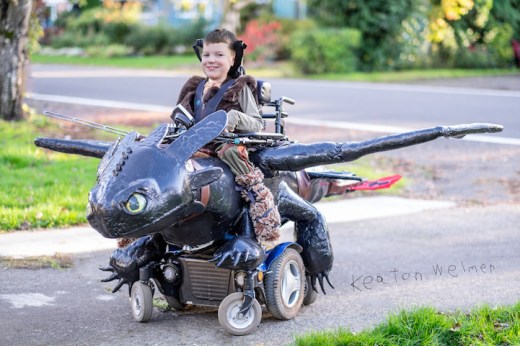
“A Person’s a Person, No Matter…..”
Horton, the elephant, a popular children’s book character of Dr. Seuss, vows to take care of the tiniest people living on a tiny flower he carries around by his trunk. He faces obstacles from others in his journey but he meets his goal to treat all with respect and protect even the smallest.
For 30 plus years, I have worked with children with disabilities as a pediatric physical therapist. These children may have movement, visual, hearing, behavior and/or speech issues. The most fragile of these children appear to be the ones who require a wheelchair or stroller to get where they are going with or without help.
Each child in a wheelchair is usually accompanied by a parent, family, friend or caregiver. Many have shared their frustrations with me about how strangers, classmates, extended family,people in a waiting area at the doctor’s office, or those at the checkout in a store responded toward their child. The stares, inappropriate comments, or looking beyond the child in a wheelchair are all negative responses that have been shared.
My response to that child or family is that when people see someone that appears different they feel awkward or uncomfortable and truly don’t know how to respond appropriately. To assist the general public in knowing how to comfortably respond to a child in a wheelchair I make the following suggestions.
- The wheelchair may catch your eye but focus your vision more closely on the child seated in the wheelchair.
- Look and speak directly to the child. Complement them on their beautiful eyes, pretty clothes, or toy they may carry. The child may respond with words or gestures. Continue your conversation with them as you would with any other child their approximate age.
- If the child does not respond with words or gestures, engage in a conversation with their caregiver. Keep it positive, encouraging and act interested not asking awkward questions.
- If you ask about his/her disability, the child and family may feel like you are treating him/her as a disability, not as a person.
- Be sensitive about physical contact. Avoid patting a child on the head, rubbing their arm or touching their wheelchair. Children with disabilities consider their equipment as part of their personal space. Of course if you are given permission, do so.
- Keep in mind that children in wheelchairs may be more compromised in their immune systems so don’t touch or stand too close to them to share your germs.
- Always ask before you help and ask how before you act. Children in wheelchairs want to be treated with independence. Offer assistance only if the caregiver or child appears to need it. Open a door, carry a package or bag, or assist in any way that would benefit the child.
- In your conversation, use “child with a disability” instead of “disabled child”, avoid outdated descriptions like “handicapped” or “crippled” and use “wheelchair user” instead of “wheelchair bound”.
And always remember, “A person’s a person no matter how small or young or using a wheelchair.” 🙂
This article was written by Jeanne Weeks, PT and Director of Pediatric Rehab for
Ocean Springs Neurosciences Hospital in Mississippi.


 Encore Rehabilitation, Inc.