Author: Encore Rehabilitation, Inc.

As the largest privately-owned rehabilitation company in the Southeast, Encore Rehabilitation, Inc. helps people get back to their lives through physical therapy, occupational therapy, speech therapy, aquatic therapy, vestibular rehab, pediatric rehab, industrial rehab, sports medicine, and other orthopedic rehabilitation programs. Rehabilitation services are provided at Encore Rehabilitation Centers in Alabama, Mississippi, Florida, and Tennessee, as well as on-site at healthcare facilities, schools, companies, sporting events, and other locations.

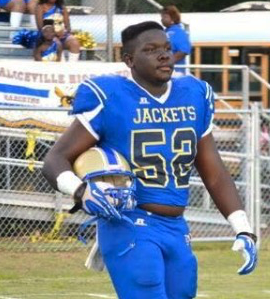
Gordo Encore Athlete of the Month, Anthony Brown.

Anthony Brown.png

Congratulations to the Gordo Encore Athlete of the Month, Anthony Brown! Anthony is a senior, multi-sport athlete at Aliceville High School. He has been a member of the varsity football and basketball teams for 4 years now. You can find him on the field wearing jersey # 52 and on the court wearing jersey #4. Anthony has won Mr. Basketball, Defensive lineman of the year, and 2x All-County Football Team. After graduation, Anthony plans to attend Mississippi Valley State University and major in Engineering. He is the son of Melissa and Anthony Brown, Sr.

Inverness Encore Athlete of the Month, Jasmine Greene.

Jasmine greene.png

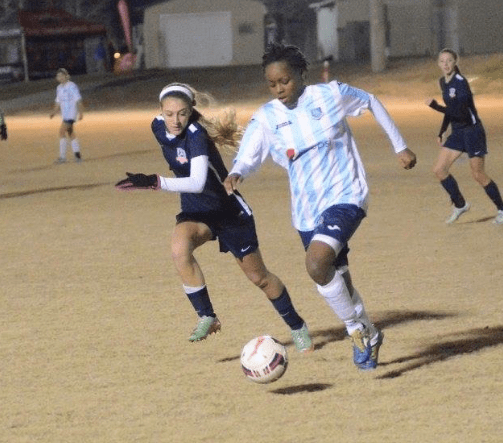
Congratulations to the Inverness Encore Athlete of the Month, Jasmine Greene! Jasmine is a freshman at Spain Park High School in Birmingham, Alabama. She has played varsity soccer for the Lady Jags and wears jersey #10. Jasmine has won the Lady Phantoms award for the whole club and has a 4.0 GPA. After she graduates high school, she plans to attend a medical school (possibly UAB) and major in medicine. She is the daughter of Clyde and Antoinette Green.

Clanton Encore Athlete of the Month, Makayla Mims.

Screen Shot 2016-04-11 at 12.08.46 PM.jpg

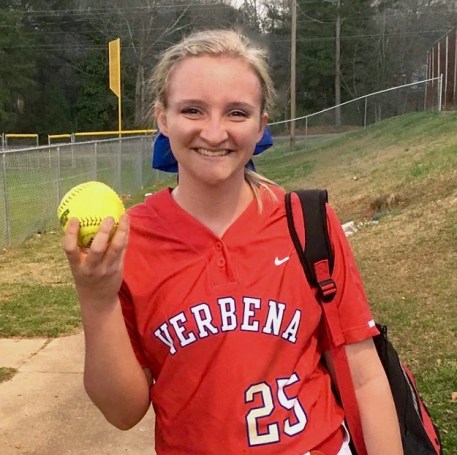
Congratulations to Clanton Encore Athlete of the Month, Makayla Mims! Makayla is a junior, multi-sport athlete at Verbena High School. She has played varsity softball, basketball, and cheered for 4 years and wears jersey #25. Her awards consist of MVP and best defensive player. Makayla has a 4.0 GPA and plans to attend Wallace State to become a registered nurse. She is the daughter of Christy Bryant and Chris Mims.

Cullman Encore Athlete of the Month, Tyler Rice.

Congratulations to the Cullman Encore Athlete of the Month, Tyler Rice! Tyler is a Senior, multi-sport athlete at Cold Springs High School in Bremen, AL. He has played Baseball for 6 years, Basketball for 4 years, and Football for 2 years. You’ll find him wearing jersey numbers 17 and 11. Tyler came to us after he tore his right and left ACL in a spring game last year. He wasn’t able to play any football this past season; however, for his Football senior night game, they let him dress out and play for one snap. Then last  December, he got cleared to play baseball.

Screen Shot 2016-04-07 at 11.50.49 AM.png

His hard work has payed off and he has quite a few sports awards, including the Baseball All-County award for the past 3 years and the All-Area award, Basketball Area Championship for the past 3 years and the County Championship awards, as well as the Football All-County award. After Tyler graduates, he plans to attend Wallace State for 2 years and then transfer to UAB to become a nurse practitioner. We’re proud of you Tyler!

Long Beach Encore Athlete of the Month, Mackenzie Fleming.

Mackenzie Fleming.png

Congratulations to the Long Beach Encore Athlete of the Month, Mackenzie Fleming! Mackenzie is a Freshman athlete at Long Beach High School. She is a member of the Varsity Bearcats softball team and wears jersey number 15. Mackenzie has already received some pretty impressive awards including the defensive player of the year award in 7th grade, and MVP of the year in 8th grade.  After graduation, she plans to major in sports medicine. Keep up the good work Mackenzie!

“A Person’s a Person, No Matter… What!” – Wheelchair Etiquette, written by Jeanne Weeks.

Magic1.jpg

“A Person’s a Person, No Matter…..”

Horton, the elephant, a popular children’s book character of Dr. Seuss, vows to take care of the tiniest people living on a tiny flower he carries around by his trunk. He faces obstacles from others in his journey but he meets his goal to treat all with respect and protect even the smallest.

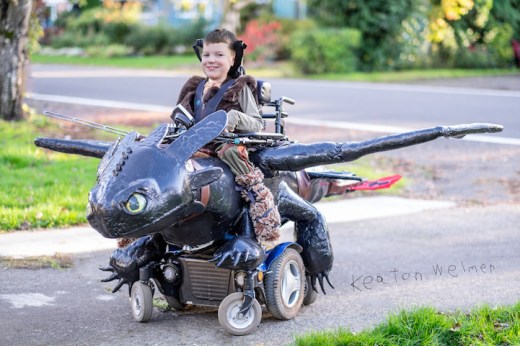
For 30 plus years, I have worked with children with disabilities as a pediatric physical therapist. These children may have movement, visual, hearing, behavior and/or speech issues. The most fragile of these children appear to be the ones who require a wheelchair or stroller to get where they are going with or without help.

Each child in a wheelchair is usually accompanied by a parent, family, friend or caregiver.  Many have shared their frustrations with me about how strangers, classmates, extended family,people in a waiting area at the doctor’s office, or those at the checkout in a store responded toward their child. The stares, inappropriate comments, or looking beyond the child in a wheelchair are all negative responses that have been shared.

My response to that child or family is that when people see someone that appears different they feel awkward or uncomfortable and truly don’t know how to respond appropriately. To assist the general public in knowing how to comfortably respond to a child in a wheelchair I make the following suggestions.

  1. The wheelchair may catch your eye but focus your vision more closely on the child seated in the wheelchair.
  2. Look and speak directly to the child. Complement them on their beautiful eyes, pretty clothes, or toy they may carry. The child may respond with words or gestures. Continue your conversation with them as you would with any other child their approximate age.
  3. If the child does not respond with words or gestures, engage in a conversation with their caregiver. Keep it positive, encouraging and act interested not asking awkward questions.
  4. If you ask about his/her disability, the child and family may feel like you are treating him/her as a disability, not as a person.
  5. Be sensitive about physical contact. Avoid patting a child on the head, rubbing their arm or touching their wheelchair. Children with disabilities consider their equipment as part of their personal space. Of course if you are given permission, do so.
  6. Keep in mind that children in wheelchairs may be more compromised in their immune systems so don’t touch or stand too close to them to share your germs.
  7. Always ask before you help and ask how before you act. Children in wheelchairs want to be treated with independence. Offer assistance only if the caregiver or child appears to need it. Open a door, carry a package or bag, or assist in any way that would benefit the child.
  8. In your conversation, use “child with a disability” instead of “disabled child”, avoid outdated descriptions like “handicapped” or “crippled” and use “wheelchair user” instead of “wheelchair bound”.

And always remember, “A person’s a person no matter how small or young or using a wheelchair.” 🙂

This article was written by Jeanne Weeks, PT and Director of Pediatric Rehab for 
Ocean Springs Neurosciences Hospital in Mississippi. 


Arab Encore Athlete of the Month, Anna Leigh Hunt.

Anna Leigh Hunt April.2016.jpg

Congratulations to the Arab Encore Athlete of the Month, Anna Leigh Hunt! Anna Leigh is a Senior at Brindlee Mountain High School. She has played basketball for the Varsity Lady Lions team for three years now and wears jersey number 13. She currently has a 3.6 GPA and plans to major in education and become an elementary teacher. She is the daughter of Wendi and Matt Hunt.


Elbow pain: Lateral Epicondylitis (aka, Tennis elbow)

The technology boom of the past decade has not only made our lives easier (debateable), but also caused a surge in overuse injuries. Smart phones, i-pads, and laptops (to name a few) have become as common TV’s and cars to every household in America. The age of instant access to information and social media has made keeping up with news, family and friends much easier but has come at a price. Elbow pain, specifically Lateral Epicondylitis, and Carpal Tunnel syndrome (a topic for another day) have become more common and can become extremely debilitating if not treated in a timely manner. Keep in mind that it can take as little as 3 weeks for an injury to become chronic and therefore seeking early intervention can literally be the difference in a successful outcome and months of pain and discomfort. Unlike most injuries, Lateral Epicondylitis is a problem that almost anyone can diagnose, as long as you know what signs to look for.

First, What is Lateral Epicondylitis? Simply stated, lateral epicondylitis is overuse tendonitis of the wrist and finger extensors. Pain and discomfort are felt on the outside of the elbow and can run down the forearm into the various muscles (muscles that make up the back of the hand). The muscles on the back of the wrist are very small and they all come together and insert just above the elbow.

Second, What are the symptoms? 1. Tender to touch, just above the elbow on the back of the forearm. The area will definitely be sore due to the inflammation. 2. Pain with picking up weighted objects such as a jug of milk, coffee cup, etc., and even something as simple as typing on your laptop. The pain noted in this area can run the entire gammit from sharp pain to a dull, achy feeling. The pain generally subsides when the affected hand is at rest. 3. Noted weakness. Noticeable weakness with gripping activities along with pain in the above mentioned area is a sure fire indicator that you may have lateral epicondylitis. It is not uncommon for me to have patients tell me that they have problems with dropping objects (usually making a mess). 4. Pain with resistance. Make a fist on the hurt arm. Push down on the back of the affected hand with the uninjured hand and that can elicit pain in the elbow. If all these symptoms are present, BAM, you have just acturately diagnosed yourself with Lateral Epicondylitis.

Now I know you are extremely proud of yourself and you should be but ultimately I’m sure you really just want to stop hurting. Let’s talk about the important stuff, the steps to recovery. What to do: 1. Ice. But you say, I hate ice. Believe me, early on, ice is your friend. Putting an ice pack on the painful area for 15 minutes 4-5 times a day greatly enhances your chances of saving a copay. 2. Medication. My medication of choice is Aleve. 2 in the morning and 2 at bedtime for a week is where I generally start. Ibuprofen or Motrin is an acceptable substitute. These medications are called NSAIDS and can be affective at fighting muscular inflammation. If you are unable to take NSAIDS, consult your physician for alternative medications. 3. Rest. It’s simple but true. Making a conscious effort to limit the use of the affected hand greatly improves your chance of success. Trust me, I get it. This is easier said than done, but if you don’t use the affected arm, it won’t hurt. Continuing to use the injured arm increases the inflammation in the tendons and delays healing. 4. Bracing. I struggled with whether or not to mention tennis elbow braces but I do feel they can help manage your pain but here is my disclaimer. Make sure you use them correctly. Proper application is key. If you are unsure of how to properly apply the brace, seek assistance from a qualified health care provider.
In conclusion, Lateral Epicondylitis is not something that you have to run to the doctor with. We mentioned that time is important and it is but give yourself 1 week of managing your symptoms with these simple steps and if the pain improves, then give yourself another week, if it doesn’t, seek the advice and counsel of your family physician. Remember, early intervention and treatment is important to kicking that unwanted uncle out of the house before he wears out his welcome.

This article was written by one of our PT, ATC, Matt Moorer. 
Decatur Encore Athlete of the Month, Brianna Thorne.

Bre POY.jpg

Congratulations to the Decatur Encore Athlete of the Month, Brianna Thorne! Bre is a senior at West Morgan high school and is member of the Lady Rebels Soccer team. You can find her on the field wearing jersey number 21 this year. She has wracked up a few awards during her high school career – the AL.com Super All-State 1st Team award, the 2015  1-3A  All-State award, the 2015 Decatur Daily Player of the Year, and was chosen to be on the AHSAA North All Star Team. Bre currently has a 4.03 GPA and plans to attend UAH to play soccer this fall. She is the daughter of Brian and Jennifer Thorne. Keep up the good work, Bre!

Gordo Encore Athlete of the Month, Charcarya Brown.

Charcarya Brown .JPG

Congratulations to the Gordo Encore Athlete of the Month, Charcarya Brown! Charcarya is a Senior at Pickens County high school. She has been a member of the Varsity basketball team for 6 years now and wears jersey #1. Her awards consist of All-Tournament Team and Varsity Letter award. After graduation in May, she plans to attend the University of West Alabama to become a physical therapist. Charcarya is the daughter of Shunta Brown and Jerry Wilder.