“9 Physical Therapist Tips to Help You Age Well” via Move Forward PT


We can’t stop time. Or can we? The right type and amount of physical activity can help stave off many age-related health problems. Physical therapists, who are movement experts, prescribe physical activity that can help you overcome pain, gain and maintain movement, and preserve your independence—often helping you avoid the need for surgery or long-term use of prescription drugs.

Here are nine things physical therapists want you to know to #AgeWell.

(Download the list in Adobe PDF)

1. Chronic pain doesn’t have to be the boss of you.
Each year 116 million Americans experience chronic pain from arthritis or other conditions, costing billions of dollars in medical treatment, lost work time, and lost wages. Proper exercise, mobility, and pain management techniques can ease pain while moving and at rest, improving your overall quality of life.

2. You can get stronger when you’re older.
Research shows that improvements in strength and physical function are possible in your 60s, 70s, and even 80s and older with an appropriate exercise program. Progressive resistance training, in which muscles are exercised against resistance that gets more difficult as strength improves, has been shown to prevent frailty.

3. You may not need surgery or drugs for low back pain.
Low back pain is often over-treated with surgery and drugs despite a wealth of scientific evidence demonstrating that physical therapy can be an effective alternative—and with much less risk than surgery and long-term use of prescription medications.

4. You can lower your risk of diabetes with exercise. 
One in four Americans over the age of 60 has diabetes. Obesity and physical inactivity can put you at risk for this disease. But a regular, appropriate physical activity routine is one of the best ways to prevent—and manage—type 1 and type 2 diabetes.

5. Exercise can help you avoid falls—and keep your independence
About one in three U.S. adults age 65 or older falls each year. More than half of adults over 65 report problems with movement, including walking 1/4 mile, stooping and standing. Group-based exercises led by a physical therapist can improve movement and balance and reduce your risk of falls. It can also reduce your risk of hip fractures (95 percent of which are caused by falls).

6. Your bones want you to exercise.
Osteoporosis or weak bones affects more than half of Americans over the age of 54. Exercises that keep you on your feet, like walking, jogging, or dancing, and exercises using resistance, such as weightlifting, can improve bone strength or reduce bone loss.

7. Your heart wants you to exercise.
Heart disease is the No. 1 cause of death in the US. One of the top ways of preventing it and other cardiovascular diseases? Exercise! Research shows that if you already have heart disease, appropriate exercise can improve your health.

8. Your brain wants you to exercise. 
People who are physically active—even later in life—are less likely to develop memory problems or Alzheimer’s disease, a condition which affects more than 40% of people over the age of 85.

9. You don’t “just have to live with” bladder leakage.
More than 13 million women and men in the US have bladder leakage. Don’t spend years relying on pads or rushing to the bathroom. Seek help from a physical therapist.


*This article was taken from the Move Forward PT website and can be found at this link: http://www.moveforwardpt.com/Resources/Detail/9-physical-therapist-tips-to-help-you-agewell

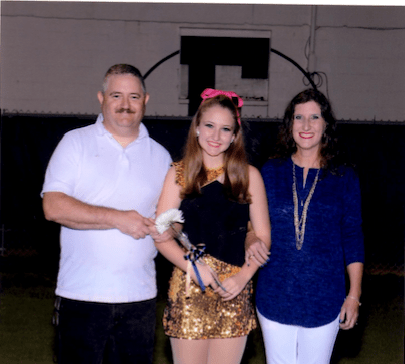
Ocean Springs Spine and Orthopedic Clinic Patient of the Month, Kathy Slaten.

Screen Shot 2016-10-07 at 2.29.21 PM.png

Congratulations to the Ocean Springs Spine and Orthopedic Clinic Patient of the Month, Kathy Slaten! Kathy is a native of Ocean Springs, MS and has been receiving physical therapy at our clinic on her lower back. Before physical therapy, Kathy wasn’t able to live the active lifestyle she was used to, and couldn’t perform household duties such as cooking, laundry, or cleaning. One of Kathy’s friends came along side her and recommended she try physical therapy under our DPT, Valerie Sullivan. Kathy has now been with us for 4 weeks and says her back is stronger, has increased mobility, and says she is almost pain free!

“I was ignorant of what physical therapy could do for me, but I am certainly a believer now and would recommend Encore to anyone! I could not be more impressed!”

– Kathy

How to Prepare Your Body for Pregnancy and 5 Ways to Return to your Pre-Baby Body.

  • 5 Ways to Prepare Your Body for Pregnancy

    Ensure that your body is ready to carry a baby by addressing before pregnancy any pain or problems associated with posture or weakness. Here are some physical therapist tips for helping to prepare your body for pregnancy and to guard against musculoskeletal pain and dysfunction during and after it.

    1. Strengthen your pelvic muscles. To strengthen your muscles, use pelvic floor contractions (commonly referred to as Kegels), which involve gently squeezing the sphincter muscles (rather than the buttocks and thighs). These tightening exercises help prevent leakage when a woman sneezes, coughs, etc, and also can help reduce pelvic pain during pregnancy. However, many women do Kegels incorrectly (perhaps because muscles are too tight and need to be relaxed before strengthening). Doing Kegels incorrectly can worsen conditions such as incontinence, pelvic pain, and even low back pain. This is why it is important to consult a women’s health physical therapist before beginning an exercise program. Physical therapists who specialize in women’s health can instruct women in how to perform these exercises safely and correctly. (Encore Rehabilitation has a specialized clinic that treats incontinence and pelvic pain,  located in D’Iberville, Mississippi).

    2. Prepare for “baby belly” by focusing on your core. Core exercises can help prevent diastasis recti —abdominal muscle separation. As your belly grows, the abdominal muscles that run vertically along either side of the belly button can be forced apart, like a zipper opening. If these abdominal muscles separate from each other too much, the result can be low back pain, pelvic pain, or other injuries as your body tries to compensate for its weaker core. This also can result in the postpregnancy “pooch” many women find undesirable.

    Some exercises, such as sit ups, increase the likelihood of developing diastasis recti, incontinence, and back pain during and after pregnancy. It is important, therefore, to work with your physical therapist on the right exercise strategy for establishing a strong core.

    3. Take a breath! Learning proper breathing and relaxation techniques from your physical therapist will help prepare your body and mind for a healthy pregnancy. It is important to learn to properly exhale before performing any exercise. With proper technique, your core and pelvic floor muscles will contract automatically, and this will lead to optimal stability and injury protection.

    4. Begin a regular fitness routine. Exercise will help reduce the amount of cortisol (stress hormone) in your body and will boost your muscle and cardiovascular strength—strength you’ll need to carry that extra baby weight. Once you become pregnant, consider engaging in relatively low-impact activities, such as swimming, walking on even surfaces, biking, or using an elliptical machine. Runners should be aware that loosening of their ligaments may make them more susceptible to knee and ankle injuries. Also, when the muscles and ligaments that support a woman’s pelvic organs weaken, the repetitive jarring of running can cause these organs to descend. This is known as pelvic organ prolapse. Physical therapists strongly recommend that, to prevent this condition, women wear undergarments that offer pelvic floor support, or compression shorts that support the pelvic floor, both during and after pregnancy.

    5. Practice good posture. Poor posture can have a major effect on every part of your body, particularly with regard to pain during pregnancy. A physical therapist can evaluate your posture and suggest muscle-strengthening exercises and lifestyle education (such as not sitting at a desk for long periods, and carrying grocery bags properly). Establishing healthy posture habits—pre-baby—will better prepare your body for the extra weight of pregnancy and lessen your chances of low back and pelvic pain.

    _________________________________

    5 Ways to Return to Your Pre-Baby Body

    While moderate weight gain is a common concern for women during and after pregnancy, there are many other factors to consider in the 4 to 6 weeks after childbirth. You may want to get back into pre-pregnancy shape immediately, but it is important to make a slow return to full activity. Here are some tips on what you can do in the first 6 weeks after delivery to begin getting your body back into pre-pregnancy shape.

    1. Get help with tasks. A new mom needs an ally in the weeks following childbirth. During this time, a woman should not lift anything heavier than her baby, in spite of the temptation. Make sure all the heavy nursery equipment is set up by someone else in advance of the baby’s arrival. It’s important now for you to rest and engage in light activities only.

    2. Breathe. Believe it or not, something as natural and instinctive as breathing will require focus after childbirth. This is because the growing uterus pushes the diaphragm upward, causing it to lose its ability to descend during inhalation. Since the diaphragm forms the top of the core muscles, it is important to work with a physical therapist, who will prescribe exercises to help restore your diaphragm function to its full capacity.

    3. Focus on your core. A woman’s abdominal muscles undergo a great deal of strain during pregnancy. In fact, separation of abdominal muscles, called diastasis recti, is a common occurrence. Also, engaging in inappropriate exercise, such as sit ups, can worsen the problem for some women. A physical therapist can prescribe exercises to help “close the gap” between muscles. Gentle core-strengthening exercises also can be done, paving the way for more-vigorous abdominal exercises 6 or more weeks after delivery.

    4. Strengthen abdominal and pelvic floor muscles. Physical therapists recommend that immediately post-partum, women focus on exercising the abdominal muscles and the muscles of the pelvic floor. During pregnancy, these muscles often are stretched and weakened. Strengthening them gives women a strong, stable base from which to work and move. This can alleviate pain later on, and makes much simpler such tasks as carrying the baby, getting in and out of the car, and lifting and reaching.; Women who have had a caesarian section should be watchful of discomfort during abdominal exercise. Pain could indicate that the exercise is being done too soon, incorrectly, or too vigorously.

    Fortunately, women can do gentle Kegel (pelvic floor) exercises immediately after childbirth, whether the birth was vaginal or by caesarian section. Kegels can be done during everyday activities such as nursing or feeding the baby. Strengthening the pelvic floor also can improve sexual satisfaction and help prevent incontinence. Physical therapists can recommend several types of Kegel exercises—for endurance, (in which the woman contracts or lifts the pelvic floor muscles and holds them for  5 to 10 seconds) and to produce quick, brisk muscle contractions.

    5. Every minute counts. Over time, a woman may begin incorporating fitness into her everyday routines—such simple activities as taking a family walk around the neighborhood or participating in a fitness group with other new moms. Remember to go at your own pace. New moms should sleep whenever they have the opportunity.

    Acknowledgement: Marianne Ryan, PT, OCS


    These two articles were not written by Encore Employees but found on the APTA website. Read the complete articles here: Article 1 and Article 2


Alabama Squad Named For 2016 Ala-Miss Football Game

Screen Shot 2016-10-03 at 2.23.48 PM.png

     Seventeen players already committed to Division I-A schools are among the players have been selected to the 40-player Alabama All-Star Team that will face Mississippi in the 30th annual Alabama-Mississippi All-Star Football Game Dec. 10 at Montgomery’s Cramton Bowl.
The roster, comprised of current high school seniors, was announced Tuesday by Alvin Briggs, Director of the Alabama High School Athletic Directors & Coaches Association.  The annual contest is an event of the AHSADCA and the Alabama High School Athletic Association.
   The game was played in Mississippi for the first time in the series last year. The hosts won 28-21 on the Southern Miss campus in Hattiesburg.  That win by Mississippi snapped a seven-game winning streak by Alabama, which now holds a 21-8 edge in the series.
“We hope the 40-man Alabama roster selected for this year’s game will bring the Alabama-Mississippi Game Championship Trophy back (to Alabama),” Briggs said.
UMS-Wright Coach Terry Curtis, who is serving as the head coach for Alabama, will be coaching a squad full of Division I-A prospects – several still embroiled in national recruiting battles.
The roster, comprised of current high school seniors, was selected through a rigorous process that began last winter, Briggs said. “The selection committee has worked extremely hard to trim down the strong list of nominations to the 40 selected. It is a difficult task for sure, and we thank the committee for its dedication.
“We are excited about returning to Cramton Bowl. This will provide another opportunity for the AHSAA and City of Montgomery to work together to produce an exciting event for local fans as well as our friends from Mississippi and the vast TV and Radio audience that tunes in via Raycom Media’s Alabama-Mississippi TV Network and the AHSAA Radio Network.”
The annual all-star event was played at Mobile’s Ladd-Peebles Stadium since its inception in 1988 until 2010. It moved to Cramton Bowl from 2011-2014. It is now on a rotating basis between the two states.
Of the 17 players picked that are already committed, five have selected defending National Champion Alabama: running back Brian Robinson of Hillcrest-Tuscaloosa; offensive linemen Hunter Brannon of Cullman and Kendall Randolph of Bob Jones; defensive back Chadarius Townsend of Tanner;  and linebacker Markail Benton of Central-Phenix City. Auburn has commitments from two, defensive backs Malcolm Askew of McAdory and Jordyn Peters of Muscle Shoals.
Three other SEC schools (Arkansas, Florida and LSU) have commitments from players on the roster while Southern Cal, North Carolina, Michigan, Duke, Purdue and UAB have at least one each.
Committed to LSU are defensive lineman Justin Thomas and McGill-Toolen defensive back John Young III. Arkansas has a commitment from quarterback Daulton Hyatt of Etowah, and tight end Zech Byrd of Stanhope Elmore has announced plans to sign with Florida.
Curtis’ Alabama All-Star coaching staff includes Caleb Ross of McGill-Toolen, Ben Blackmon of Spanish Fort, Kelvis White of Mae Jemison, Keith Etheredge of Pell City, Steve Smith of Piedmont, Ed Rigby of Elba and Richie Busby of Fultondale.
The game will be televised live over the Raycom Network of stations in Mississippi and Alabama. The contest will also be broadcast live over the AHSAA Radio Network.

-AHSAA

Foley Patient of the Month, Lew Powell.

IMG_4629.jpg

We would like to recognize our Foley Encore Patient of the Month, Lew Powell! Mr. Powell has been coming to our Foley clinic for physical therapy since mid August, after his rotator cuff surgery. He was referred to us by Dr. Mason and Encore came highly recommended by his friends. Mr. Powell has done an outstanding job with his therapy program and has improved greatly.

“I would like to take this opportunity to personally thank the entire Encore staff, from the check-in ladies to my therapists. They are true professionals in every sense of the word- knowledgeable and dedicated to patient recovery. This is not my first rodeo. The entire staff has been nothing short of outstanding. If you are looking for a physical therapists with a comprehensive and thorough program, Encore is for you.”

Mr. Powell

Long Beach Encore Athlete of the Month, Anastasia Thibodeaux.

anastasia thibodeaux.jpg

Congratulations to the Long Beach Encore Athlete of the Month,  Anastasia Thibodeaux. Anastasia is a senior athlete at Long Beach High School in Mississippi. She has been a member of the Varsity Lady Bearcats Cross Country and Track teams for 6 years now. Anastasia has built up quite an impressive awards list during her high school sports career: Cross Country MVP for 4 years in a row, 4x District Champion in Cross Country,  Cross Country All-State runner  for 5 years, and made top 3 in the State High Jump event.

After graduation next spring, Anastasia plans to run cross country and track in college while obtaining her degree in communications. She is the daughter of Katherine and Joseph Thibodeaux. Keep up the good work, Anastasia, and good luck your senior year!


*Photo taken from http://www.sunherald.com/sports/high-school/article75452737.html

Foley Encore Athlete of the Month, Chris Armstrong.

1 Armstrong[2].jpg

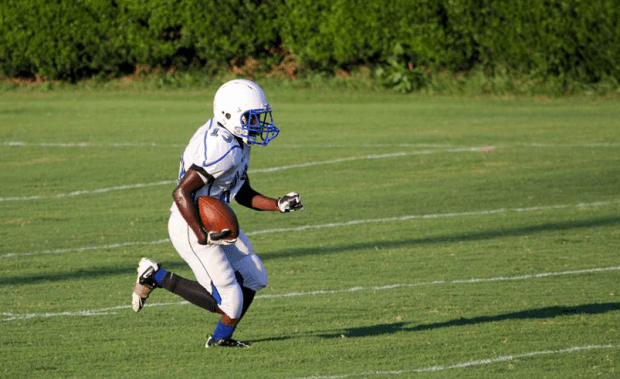
Congratulations to the Foley Encore Athlete of the Month, Chris Armstrong! Chris is a Junior athlete at Foley High School. He has been a member of the Varsity Lions Football team for 3 years and wears jersey #1. After graduation, Chris hopes to continue playing football in college while obtaining his degree. Chris is the son of Sherett Scott. Good luck this weekend Chris, and Go Lions!

8 Horrible Things High Heels Do to Your Body

“Yes, your favorite stilettos make your feet hurt, but high heels may also be hurting your ankles, knees, and back if you’re wearing the wrong type too often.”

Heels can give you varicose veins… ew…

When your legs move forward in heels to float over your toes, your calf muscles contract and stay contracted, instead of contracting and releasing as they usually do in lower-heeled shoes. As a result, your blood can’t use that regular calf muscle contraction as a pump to move up and out of your legs, and blood flow throughout your lower limbs slows down, according to Mayo Clinic. When blood can’t escape your legs, it pools in veins that swell and rise into what are widely known as varicose veins. Horse chestnut may help treat varicose veins.

Heels put more pressure on the ball of your foot

Your upright foot is used to balancing on both its front and its back, so when you tilt it into your favorite black stilettos, it’s no wonder your forefoot starts to feel so much more pressure. According to Jane Pontious, DPM, chair of the department of podiatric surgery at Temple University, this pain in the joints in the ball of the foot, known as metatarsalgia, can even lead to stress fractures over time. The good news is that you can easily decrease the pain by decreasing your heel’s height. Research from the Spinal Health Institute shows that while three-inch heels put 76 percent of your foot’s pressure on your forefoot, two-inch heels decrease the pressure to about 57 percent, and one-inch heels lower it to 22 percent. That’s cutting the pain by more than half with a decrease of just two inches. Here’s what your shoe salesperson is secretly thinking about you.

High heels can cause plantar fasciitis in the heel and arch of your foot

Your Achilles tendon, or the band of tissue stretching from the back of your heel all the way to your calf, lengthens and shortens with your foot movement. When you point your toes and your heel rises closer to your calf (like you do when wearing heels), your Achilles tendon shortens. But too much shortening is a bad thing, according to Dr. Pontious. Because the Achilles connects to the plantar fascia, or the ligament that stretches along the bottom of your foot, shortening your Achilles tendon pulls on the plantar fascia, causing it stress. The result is a form of pain in your heel and arch known as plantar fasciitis.

Their pointy ends push your toes together

Dr. Pontious has noticed that many popular high heels are not only tall, but narrow, too. “The reason for that is because it makes our feet look smaller, and smaller feet are viewed in general as being more attractive,” she says. But when fashion starts to compromise foot function, there’s a problem. Women who regularly wear heels with narrow, pointy toes develop muscle imbalances, hammertoes, or bunions as a result of the pressure the shoes put on their toes when they shove them together. Sometimes pointy toed-shoes can even irritate or inflame the nerves enough to cause nerve conditions in the feet that cause pinching and pain sensations. To avoid these, make sure to buy a shoe that doesn’t narrow too much at the toe, especially if it’s a heel. Here are foot doctors’ tips for pain-free sandals.

High heels put extra stress on your knees

When you shift the pressure on your foot forward by strapping on high heels, the center of gravity of your body immediately moves forward, too. Unfortunately your knees feel the brunt of this change as they struggle to keep your body up and balanced in this shifted position. In fact, a 2014 study published in the Journal of Orthopaedic Research showed that increasing your heel height or your weight hurts your knees even more, and possibly increases the risk of arthritis in the knees. Here are proven knee pain treatments and when to try them.

Heels change your posture for the worse

Because your legs are pushed forward in high heels, your upper body is forced backward to counterbalance your lower body. Your lower back arches, your chest is pushed forward, and the normal “s-curve” of the spine, which typically acts as a shock absorber for the vertebrae, is shifted, according to the Spinal Health Institute. As a result, muscle overuse can lead to back pain, not to mention other issues like spondylolisthesis, or the crowding of vertebra over each other in the lower back, where weight is suddenly more concentrated in heels. These easy tricks can correct your posturefast.

Heels decrease your ankle strength over time

Maybe you’ve only just started wearing heels regularly and have yet to experience much pain at all. Unfortunately, that’s quite normal for women who a few years later experience ankle injuries from high heels. A 2015 study in the International Journal of Clinical Practice showed that women who wore high-heeled shoes often actually strengthened their ankle muscles over the first one to three years through wearing the shoes, only to experience a weakening of the same muscles when they continued to wear them after that time period (for four years or more). Weak ankles detract from your dynamic balance, lessening your ability to avoid falling, spraining your ankle or otherwise hurting yourself. To protect your ankles and yourself while wearing heels, try practicing ankle-strengthening exercises on a regular basis, like “heel walking” (practicing balancing on your heels to walk) and “heel raises” (standing on your toes and raising and lowering your heels).

They can be too small for your feet

Just as narrower feet are perceived as more attractive, so, too, are shorter feet, and some women are willing to sacrifice the comfort of their feet to make them appear smaller. According to WebMD, nine out of 10 women wear shoes that are too small, causing bunions, corns, and blisters, and irritating foot joints enough to potentially cause arthritis. If you’re going to wear a heel, make sure it’s a comfortable size for your foot; you’ll thank yourself later. Should you get a blister anyway, try one of these home treatments to heal blisters quickly.


**This article and picture was found on the Readers Digest website. Read the complete article here: http://www.rd.com/health/wellness/high-heels-pain/

Columbia Encore Athlete of the Month, Garry Martin, Jr.

IMG_4501.JPG

Congratulations to the Columbia Encore Athlete of the Month, Garry Martin, Jr! Garry is a senior athlete at West Marion High School in Mississippi. He has been on the Varsity Trojan’s football team for 5 years now and wears jersey #19. Garry has also been awarded the 3A Region 8 All-District award in football. After graduation next spring, Garry plans to attend Jackson State and major in Criminal Justice. He is the son of Garry and Rolanda Martin.

Columbus Patient of the Month, Allen Saxton.

IMG_3645.JPG

Congratulations to the Columbus Patient of the Month, Allen Saxton! Mr. Allen lives in Reform, AL and has been coming to us for physical therapy on his hip since the beginning of the month. With the help of his Physical Therapist, Lee, and his personalized therapy exercises, Mr. Allen has been making great progress and will be back in the swing of things in no time!