“I am a 67 year old grandmother and have had my fair share of orthopedic rehab. I have never, throughout all my injuries, experienced anything to touch the care of Encore Rehab in Spanish Fort, AL. My two therapists, Rachel Hartman and Jessica Jones, are the best you can get! Peggy Alexander, the receptionist, facilitates everything so quickly that you are immediately cared for the minute you walk in the door. These three women are an asset to Encore’s company and are responsible for the incredible recovery of my new knee. With their help, I am now in my 5th week of therapy and can say they have given me exactly what I want, a wonderful new knee with full range of motion. It can be done at Encore with Rachel and Jessica.”
– Susan Dube, Daphne, AL.
Uncategorized

2014 Final 48 at the BJCC
1A Falkville High School Girls game vs. Brantley

2A Tanner High School Boys vs. Elba



3A Holly Pond High School Girls vs. Trinity


3A State Runner up: Holly Pond High School vs. Lauderdale Co.



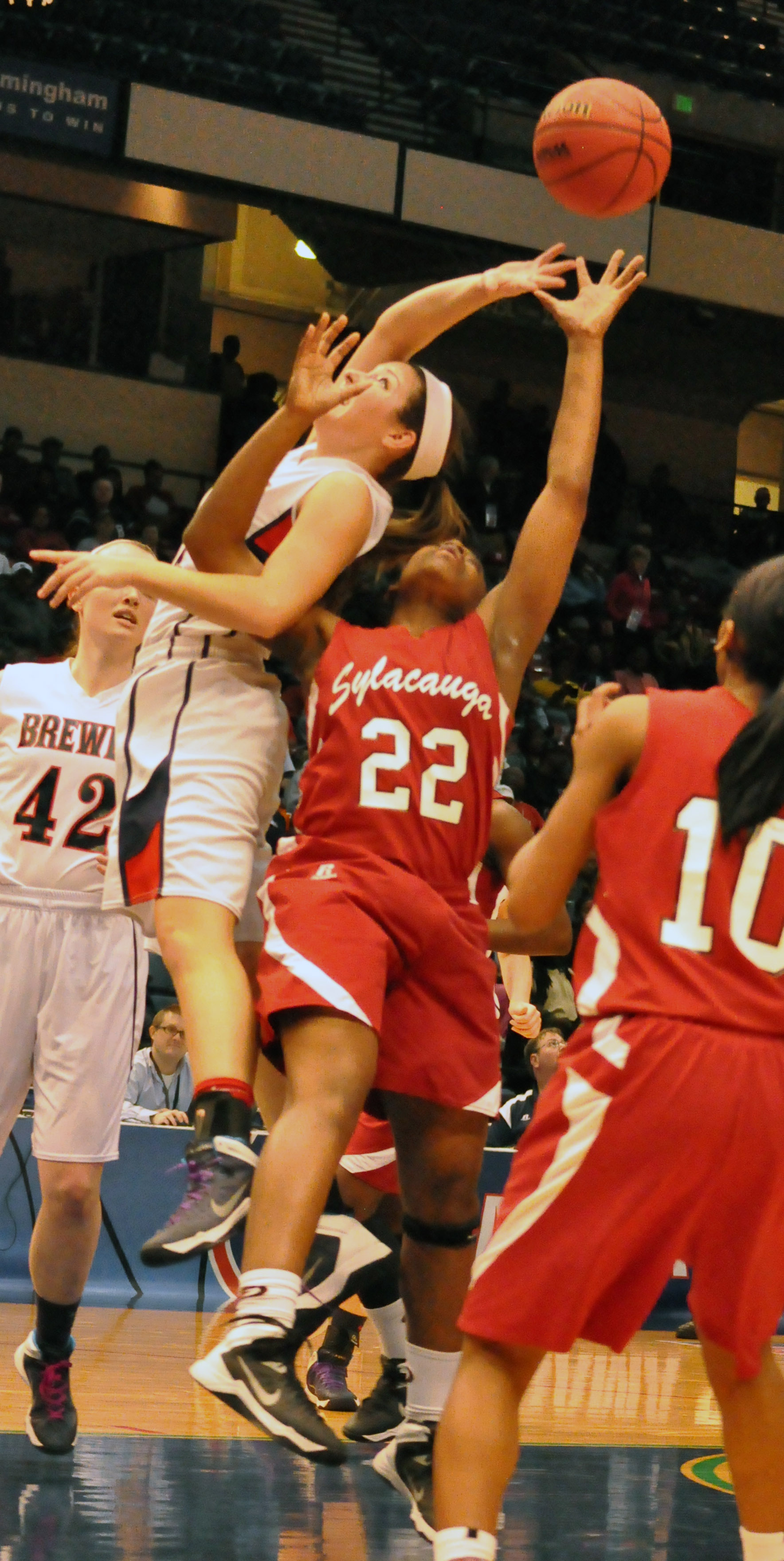
5A Brewer High School Girls vs. Sylacauga


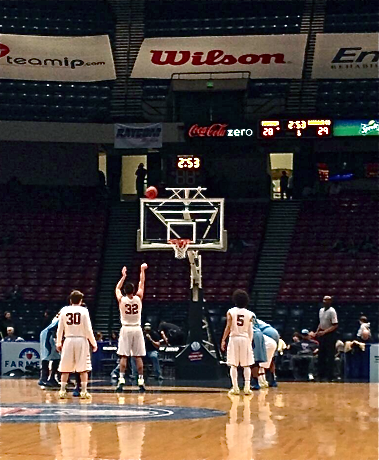
5A Faith Academy High School Boys vs. Parker



Share this:

Sneak Peak from the Final 48!



Six Foods that Fight Depression
by Michelle Blessing “Special Needs Mommy” | January 7, 2014
Many women suffer from seasonal disorders, depression, or anxiety. Seasonal Affective Disorders (SAD) is a form of depression that occurs around the same time every year, and for most, it is around the fall and winter months. SAD saps your energy, causes mood swings and diminishes levels of excitement, happiness and overall motivation. If this sounds familiar, you may be wondering what you can do to help the problem without relying solely on medication. Truth be told, diet can be a powerful tool in changing your mood and overall mental health. Here are 6 feel better foods to help you fight that seasonal slump.
1. Vitamin B-12 and Folic Acid: Although not foods, per say, vitamin B-12 and folic acid are essential vitamins in fighting depression symptoms. Studies have shown that foods or meals high in these two compounds prevent central nervous system disorders and mood problems. Folic acid can be found in leafy greens and beans; vitamin B-12 in meats, fish and dairy products. Eggs, spinach, and salmon are all great sources of folic acid and vitamin B-12.
2. Selenium: Selenium is a mineral with antioxidant-type properties. Research has shown that 200 micrograms of selenium per day can decrease symptoms of depression. Selenium is found naturally in whole grains, such as oatmeal and brown rice. You can also find selenium in Brazil nuts and seafood, such as clams and oysters.
3. Fish: We’ve heard it for years, but recent studies have further shown the effect of omega-3 fatty acids and lower levels of depression. This is especially true of women suffering from postpartum depression. Some excellent sources of omega-3 fatty acids include salmon,tuna, and herring.
4. Fruits and Vegetables: Depression can be linked to damage in the brain caused by free radicals. Beta-carotene, vitamin C and vitamin E can all combat damage done by free radicals. Fruit such as strawberries and blueberries are excellent sources of vitamin C, and carrots are a great way to get beta-carotene. Nuts, seeds and wheat germ are sources of vitamin E. One way to pack a punch is to whip up a fruit and veggie smoothie with some added wheat germ for breakfast – a great start for a happy day.
5. Vitamin D: Vitamin D deficiency has been directly linked to depression, so getting adequate amounts of this nutrient is essential. The most obvious source of vitamin D is the sun, but many women worry about sun protection, and therefore cover up, leading to vitamin D deficiencies. Some other sources of vitamin D include cheese and egg yolks, so make yourself a yummy cheese omelet for breakfast and get your daily dose of this necessary nutrient.
6. Chocolate: Of course we saved the best for last – chocolate! Dark chocolate affects your body’s endorphins, releasing feel-good chemicals within your brain. A small piece of chocolate can be mood boosting and it has been shown to lower blood pressure. So, go ahead and splurge with a bit of dark chocolate for dessert!
Source: http://www.skinnymom.com/2014/01/07/6-feel-better-foods-to-help-combat-seasonal-disorders/
Share this:
Encore’s Athlete of the Month
Congratulations to Brooks Bennett, Encore’s Athlete of the Month!
“Brooks played safety for the Bucs defense the past two season. He earn the starting position as safety entering his senior season. Through determination, persistence & toughness, Brooks completed the season and lead the Bucs to their 2nd consecutive undefeated State Championship season!”
*Chosen by Head Athletic Trainer for Hoover High School: Brandon Sheppard, MEd, ATC
Share this:
Thank you Letters
“To: Marc, Elisabeth, Terri, Brian, Andrea and Lauren,
I just wanted to say thank you for everything y’all did for me.
My recovery went a lot smoother than it would have
without all of you. And believe me or not, I am going to miss
y’all! Thank you again!”
………………………………………………………………………………………………………………
Thank you letter to the Vice President and COO, Encore Rehabilitation, Inc.
To Mr. Paige Plash,
“I would like to thank you for your support of the Alabama High
School Athletic Association’s Revenue Sharing Program.
Because of your generosity, we have been able to grow and improve
our athletics program. Thank you for helping to make a difference in the
lives of our student athletes.”
………………………………………………………………………………………………………………
A Thank you letter we received after the snow storm in February, 2014:
To Management and Staff,
“We would like to express our gratitude to each of you for help during the
recent winter storm. My husband was a recipient of your gracious kindness…
He could not say enough about the demonstration of concern for all who
accepted invitation to escape the bitter, cold temps. We pray your efforts
will be rewarded and we will be careful to tell friends and family
about Encore Rehabilitation, Inc.”
Share this:
What is Encore about?
Encore Rehabilitation, Inc. is one of America’s most diversified rehabilitation providers. It began with two University of South Alabama classmates in the physical therapy program who visualized a rehabilitation company that would provide exceptional physical therapy services and expand their roles as healthcare providers to a national level.
Under the partnership of Paul G. Henderson, PT and Paige B. Plash, PT, Encore Rehab was founded in 1981 and delivers the best rehabilitation services to thousands of patients daily in locations throughout Alabama and Mississippi. Encore Rehab is an employee-focused company with a tremendous team of dedicated and experienced employees who understand the many environments in which a therapist can provide treatment. Through the company’s specialized divisions, Encore Rehab provides rehabilitation services of unsurpassed quality that help patients return to a healthier lifestyle.
- Encore Rehab focuses on providing services in outpatient clinics, but also offers contract services for healthcare facilities, nursing facilities, schools, businesses, and many other settings.
OPERATIONS INCLUDE
- Outpatient Clinics (Rehabilitation Services)
- Contract Services
- Industrial Rehabilitation
- Sports Medicine / Athletic Training
- Fitness & Wellness
- Sports Performance Enhancement
Share this:
“Overtraining and Injury in Youth Athletics”
By Marc Bernier, MPT CSCS
The environment of youth athletics has undergone a major transformation over the past several years, most notably in the manner in which kids train for their respective sports. Unfortunately, the changes that have occurred are not always necessarily for the better, as the injury rates in youth athletics are increasing, as are the severity of injuries.
One potential cause for these increasing injury rates that has been identified by medical professionals is overtraining. There are many factors that can play into overtraining; however, there are 2 components that are particularly concerning:
- “Specialization” in a single sport during the early childhood years.
- Failure to provide adequate recovery from the physical stress of the sport season.
In all actuality, these two factors are actually closely intertwined. In today’s competitive climate of youth athletics, many kids are pushed towards dedicating themselves exclusively to one sport at a young age, with the thought being that the more training they get in that specific sport, the more they will excel (this thought actually goes against the recommendations of the top sports performance enhancement specialists who promote the idea of youth athletes being encouraged to compete in multiple sports until their freshman or sophomore year in high school, at which time specialization is more appropriate). As a result, sports such as soccer become a year long endeavor, in which kids are playing the same sport for 10-11 months of the year (it may take slightly different forms, such as outdoor, indoor, etc). Unfortunately, this is a faulty approach for two reasons:
1. By participating in the same sport throughout the year, the same repetitive physical stresses are placed on the relatively fragile growth plates and soft tissue structures (muscles, tendons, ligaments), resulting in overuse injuries.
2. Participation in a single sport can limit the overall athletic development of kids. All sports have unique skills and movements that require the development and utilization of different muscle groups, and in vastly different ways. This is especially true for the core and trunk muscles; participation in “upper extremity” sports such as baseball, tennis and basketball will train the core in a much different manner than “lower extremity” sports such as soccer. It has been theorized that playing in multiple sports may actually increase kids’ overall athleticism and make them “better” athletes.
Simply put, we do not provide our kids enough time to rest, nor allow their joints enough time to recover from the physical stresses their bodies endure during a season (not to mention the fact that kids today typically train harder and more frequently than current adults did in their childhood). Recovery time is absolutely essential for athletic growth; without it, the structures of the body are continually broken down, inhibiting strength and endurance potential, and ultimately athletic potential.
In an ideal scenario, children should have a two week period after the season is completed of minimal activity. After that has passed, participation in a different sport is acceptable, as that sport will not have the same physical stresses, and will be less traumatic to the joints of kids. If a child does not participate in another sport, some form of cross training can be performed to maintain baseline fitness levels. Some recommended activities would include: cardio workouts on stationary bikes, stairsteppers or elliptical machines; swimming; pick up basketball; or simple jogging.
Kids should be encouraged to take a break from sports, and having a free weekend every once in a while is a good thing!
- **Marc Bernier is the Clinical Director of Sports Medicine and Rehabilitation for Encore Rehab at the Inverness Clinic and Spain Park High School. Marc has served as an international sports medicine consultant specializing in the field of rehabilitation and conditioning for European based professional soccer clubs, and is a national lecturer on the management of youth sports injuries. He can be contacted for any questions at mbernier@encorerehab.com.

