Physical Therapy

Physical Therapy for Arthritis Pain.

We know a lot of people suffer from Arthritis Pain and wanted to post an article that we thought would offer a few more solutions than just medicine. You can read the entire article at Everyday Health.com.

“Managing arthritis pain often means using a combination of treatments, including medications, exercise, hot and cold therapy, and any number of physical therapy options. While there’s no cure for arthritis, joint pain and other arthritis pain symptoms can often be managed successfully with a combination of therapies.”

Types of Physical Therapies Used to Treat Arthritis:

  • Physical therapy. This is a commonly recommended treatment for arthritis pain because it really helps. Physical therapy works to strengthen joints that have been weakened by damage and inflammation. Physical therapy exercises can help reduce joint pain and stiffness, as well as improve range of motion, making you more mobile.

  • Occupational therapy. This is another form of therapy that teaches patients how to manage arthritis pain, and work around it to achieve a higher level of mobility and comfort. An occupational therapist can show you how to best protect your joints from strain and damage that can lead to more joint pain. There are certain activities and positions, for instance, that are known to worsen arthritis pain, and in occupational therapy, you’ll learn what those are and how to avoid them while engaging in your usual everyday activities.

  • TENS therapy. Transcutaneous electrical nerve stimulation, or TENS, is a physical therapy method that uses small pulses of electricity to target areas of arthritis pain. Electrodes are placed on the skin covering the painful joint, and low levels of electricity are passed into the joint, temporarily relieving pain. The procedure can be performed by a physical therapist, other medical professionals, or even using TENS equipment at home.

  • Diathermy. This form of heat therapy uses ultrasound, radio or microwaves, or electrical currents to heat the tissue inside painful joints. The heat kills damaged cells that cause joint pain, easing your arthritis symptoms.

  • Massage. A massage therapist can help you to manage arthritis pain by massaging, kneading, and rubbing muscles and joints to boost blood circulation to the painful areas. (Poor blood circulation can contribute to joint pain.


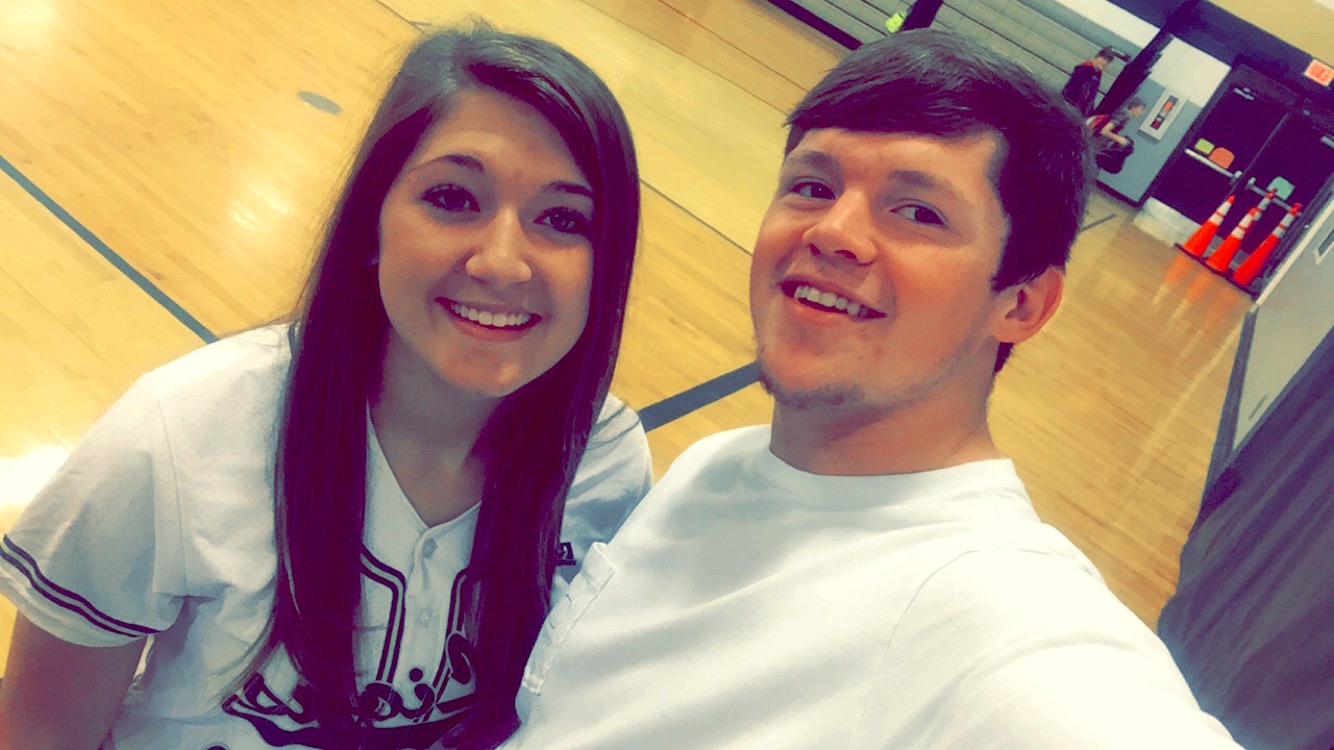
Arab Encore Athletes of the Month, Tori Sanders and Kolby Wall!

tori sanders and kolby wall 4.2015

Congratulations to Tori Sanders and Kolby Wall who were chosen as a double edition of the Arab Clinic Athlete of the Month! Tori is a junior and Kolby is a senior at Brindlee Mountain High School. They are both multi-sport athletes and have done well in their sports career.

Tori has been playing on the Lady Lions varsity basketball team for 3 years and the softball team for 4 years. A few of her sports awards consist of All-County Basketball (2 years), All-County MVP for Softball, 2015 AL State Power Lifting Best Squat Overall Weight Class and 3rd place on the girls team. Apart from her sports awards, she has a 3.9 GPA. Tori is the daughter of Helen and Leslie Sanders.

Kolby has been a member of the varsity Lions Football, Track, and Weightlifting teams for 4 years now and wears the jersey number 27.  His sports awards consist of All-County Linebacker and 1st Place in the 2015 Alabama State Powerlifting competition for his weight class. He has a 3.3 GPA and plans to attend Wallace State Community College for 2 years and then transfer to a 4 year college to major in Physical Therapy. Kolby is the son of Jonathan Wall.

Congratulations to both athletes, again! And good luck this fall!

2015 Annual Encore Dinner at The University of Alabama at Birmingham.

Screen shot 2015-01-22 at 12.04.15 PM

We wanted to say thank you to The University of Alabama at Birmingham for letting us host the Annual Encore Dinner last night, as well as, to all the PT and OT students who attended! 

Screen shot 2015-01-22 at 12.04.08 PM

Screen shot 2015-01-22 at 1.28.06 PM

Encore President, Paul Henderson, was one of the speakers at the dinner.

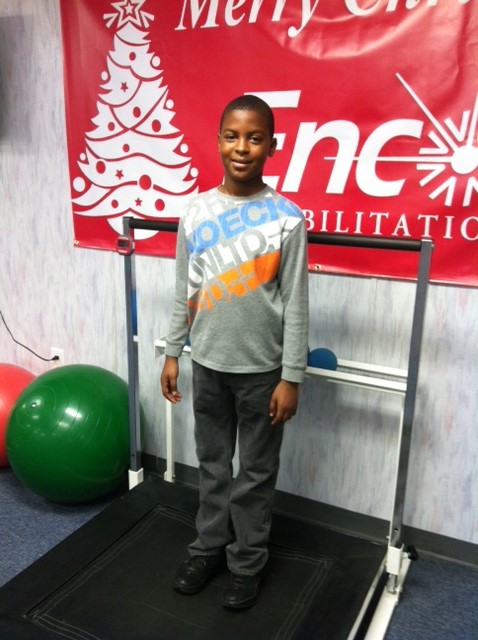
Fayette Clinic Athlete of the Month, Claudie Thompson.

photo

Congratulations to the Fayette Encore Athlete of the Month, Claudie Thompson. Claudie is a 10 years old, 5th grader and plays basketball and football. He started therapy at Encore after he broke his knee cap and tore his tendons away from it during a football game accident. Claudie is now on his way to a speedy recovery and back to playing the sport he loves! Keep you the good work, Claudie!

Congratulations to Sam Riley, the Winfield Clinic Athlete of the Month!

Image

Congratulations to Sam Riley, a Senior at Winfield City High School who just recently won a state championship with the Winfield Softball team! Sam is planning on attending Wallace State Community College on a Softball scholarship and is pursuing a degree in Physical Therapy and Ultrasound. Sam is the daughter of Andy and Bobby Riley.

Considering ACL Surgery?

ACL surgery Hayden Clinic Encore Rehab

Surgery for anterior cruciate ligament (ACL) injuries involves reconstructing or repairing the ACL.

  • ACL reconstruction surgery uses a graft to replace the ligament. The most common grafts are autografts using part of your own body, such as the tendon of the kneecap (patellar tendon) or one of the hamstring tendons. Another choice is allograft tissue, which is taken from a deceased donor.
  • Repair surgery typically is used only in the case of an avulsion fracture (a separation of the ligament and a piece of the bone from the rest of the bone). In this case, the bone fragment connected to the ACL is reattached to the bone.

ACL surgery is usually done by making small incisions in the knee and inserting instruments for surgery through these incisions (arthroscopic surgery). In some cases, it is done by cutting a large incision in the knee (open surgery).

ACL surgeries are done by orthopedic surgeons.

Many orthopedic surgeons use arthroscopic surgery rather than open surgery for ACL injuries because:

  • It is easy to see and work on the knee structures.
  • It uses smaller incisions than open surgery.
  • It can be done at the same time as diagnostic arthroscopy (using arthroscopy to find out about the injury or damage to the knee).
  • It may have fewer risks than open surgery.

Arthroscopic surgery is done under regional (such as spinal) anesthesia or generalanesthesia.

What happens

During arthroscopic ACL reconstruction, the surgeon makes several small incisions—usually two or three—around the knee. Sterile saline (salt) solution is pumped into the knee through one incision to expand it and to wash blood from the area. This allows the doctor to see the knee structures more clearly.

The surgeon inserts an arthroscope into one of the other incisions. A camera at the end of the arthroscope transmits pictures from inside the knee to a TV monitor in the operating room.

Surgical drills are inserted through other small incisions. The surgeon drills small holes into the upper and lower leg bones where these bones come close together at the knee joint. The holes form tunnels through which the graft will be anchored.

The surgeon will also make another incision in the knee and take the graft (replacement tissue).

  • A graft taken from the tendon at the front of the knee below the kneecap (patellar tendon) will include two small pieces of bone called “bone blocks” on the ends of the tissue. One piece of bone is taken from the kneecap and the other piece is taken from a part of the lower leg bone near the knee joint. This type of graft allows better healing because the tendon is still attached to its original bone, and the pieces of bone just need to heal into their new locations.
  • If the autograft comes from the hamstring, bone blocks are not taken. This type of graft may allow the knee to look more normal after it heals, because the tendon from the front of the knee is not used. It is also easier to add extra tissue from a deceased donor (allograft) to this type of graft.
  • The whole graft may also be taken from a deceased donor (allograft).

The graft is pulled through the two tunnels that were drilled in the upper and lower leg bones. The surgeon secures the graft with hardware such as screws or staples and will close the incisions with stitches or tape. The knee is bandaged, and you are taken to the recovery room for 2 to 3 hours.

During ACL surgery, the surgeon may repair other injured parts of the knee as well, such as menisci, other knee ligaments, cartilage, or broken bones.

What To Expect After Surgery

Arthroscopic surgery is often done on an outpatient basis, which means that you do not spend a night in the hospital. Other surgery may require staying in the hospital for a couple of days.

You will feel tired for several days. Your knee will be swollen, and you may have numbness around the cut (incision) on your knee. Your ankle and shin may be bruised or swollen. You can put ice on the area to reduce swelling. Most of this will go away in a few days, and you should soon start seeing improvement in your knee.

To care for your incision while it heals, you need to keep it clean and dry and watch for signs of infection.

Physical rehabilitation after ACL surgery may take several months to a year. The length of time until you can return to normal activities or sports is different for every person. It may range from 4 to 6 months.1

Source:

WebMD. “Anterior Cruciate Ligament (ACL) Surgery.” WebM. Healthwise, Incorporated., 5 Apr 2012. Web. 10 Apr 2014. .

Physical Therapy Benefits For Back Pain

After an episode of low back pain has lasted between two and six weeks, or if there are frequent recurrences of low back pain, it is reasonable to consider back pain exercises and physical therapy for back treatment. (Some spine specialists consider back exercise and physical therapy sooner, particularly if the pain is severe.) In general, the goals of back pain exercises and physical therapy are to decrease back pain, increase function, and provide education on a maintenance program to prevent further recurrences.


Passive Physical Therapy – Modalities

There are many different forms of physical therapy. Acutely, the therapist may focus on decreasing pain with passive physical therapy (modalities). These are considered passive therapies because they are done to the patient. Examples of modalities include:

  • Heat/ice packs
  • TENS units
  • Iontophoresis
  • Ultrasound


Active Physical Therapy – Back Pain Exercises

In addition to passive therapies, active physical therapy (exercise) is also necessary to rehabilitate the spine. Generally, a patient’s back exercise program should encompass a combination of the following:

  • Stretching for back pain exercise
  • Strengthening for back pain exercise
  • Low-impact aerobic conditioning

Even patients with a very busy schedule should be able to maintain a moderate back pain exercise regimen that encompasses stretching, strengthening, and aerobic conditioning. These exercises suffice as physical therapy for back pain relief.

  • Stretching for back pain exercises. Almost every individual who has suffered from low back pain should stretch their hamstring muscles once or twice daily. Simple hamstring stretching does not take much time, although it can be difficult to remember, especially if there is little or no pain. Therefore, hamstring stretching exercises are best done at the same time every day so it becomes part of a person’s daily routine.
  • Strengthening for back pain exercise. To strengthen the back muscles, 15-20 minutes of dynamic lumbar stabilization or other prescribed exercises should be done every other day.
  • Low-impact aerobic conditioning. Low impact aerobics (such as walking, bicycling or swimming) should be done for 30-40 minutes three times weekly, on alternate days from the strengthening exercises.

Source: Ullrich, P. F. (1999, 9 8). Physical therapy benefits for back pain. Retrieved from http://www.spine-health.com/treatment/physical-therapy/physical-therapy-benefits-back-pain

Physical Therapy FAQ’s Answered

Can I choose what physical therapist I go to?

Absolutely! The decision of where you receive treatment is yours. If you have a specific therapist or practice you would like to go to, you should let your doctor or insurance company know this. Not all physical therapists or practices are the same and the choice of your provider is yours. Sometimes your physician will recommend a specific therapist or practice to you; sometimes your insurance company will require you to go to specific therapists or practices. You always have the right to ask for a specific provider. If we are not “in network” with your specific insurance company, many have out of network options that still provide coverage.

What should I expect during my physical therapy treatments?

Your first visit will include the initial evaluation and then a treatment. You will be instructed on therapeutic exercises, learn how to manage and care for your symptoms, receive manual therapy if necessary, and may be treated with some type of therapeutic modalities. (As well as given a specific home program, ice, ultrasound, electrical stimulation, traction, etc.)

What type of treatment will I receive?

Treatment is based on the initial evaluation findings along with ongoing reassessment and evaluation. Treatment may consist of a variety of hands-on joint and soft tissue treatment techniques, exercise techniques and pain reducing modalities. Treatments are designed to increase motion and strength, reduce pain, and most importantly, restore function. Patients are typically involved in an active exercise program at home and are educated in ways to speed recovery and prevent recurrence of the problem.

What should I wear?

It is best to wear clothing and shoes that are appropriate for exercise. The clothing should either expose the area (i.e. wear shorts if you are being seen for a knee problem) or be loose fitting to easily expose the area that is being treated. You may be asked to put on a gown depending on where your pain or problem is located.

How many treatments will I need?

Our average number of treatments is 6, but this can vary depending on the extent and type of injury that is being treated.

What is Physical Therapy? Is it like Massage Therapy or Chiropractic Care?

In reference to massage therapy, a PT can and will often administer massage-like techniques called soft tissue mobilization, but massage therapists cannot administer PT. The PT you receive therefore may include soft tissue mobilization but will include much more education, exercise and the use of other modalities.

Chiropractic care differs quite a bit in the sense that a Chiropractor relies heavily on performing joint manipulations. Chiropractors typically will see a patient for much longer than a physical therapist for continued joint manipulations or “adjustments” whereas a physical therapist will rehab the injury or painful area and then instruct the patient in a Home Exercise Program for continued care. A physical therapist with specialized training can effectively perform many of the physical adjustments that a Chiropractor utilizes.

How can Physical Therapy help back pain?

Physical Therapy helps control back pain by reducing pain, controlling swelling and through therapeutic exercises. Patient education such as home exercises and lifting techniques also play a large role is assisting the patient in controlling low back pain.

I just had orthopedic surgery; will physical therapy help me heal faster?

Of Course! Physical Therapy can help reduce swelling, increase active and passive range of motion and increase strength and endurance after orthopedic surgery. Most importantly, attending physical therapy increases the functioning of the involved muscles, bones and other soft tissues much more quickly and effectively than just “staying at home” after surgery.

How do I know that physical therapy can help me?

Physical therapy can help anyone who is suffering from musculoskeletal injuries, recovering from surgeries or other difficulties such as balance/walking problems, or neurological problems such as stroke and acquired brain injuries. Even people recovering from non-orthopedic surgeries (internal problems, cancer) can benefit from PT by regaining strength and endurance. The realm of physical therapy is huge and encompasses the whole body and its functioning. To learn how PT can specifically help your condition, make an appointment with any of our locations for a Free Assessment.

Do I need a referral to come to physical therapy?

In the state of Iowa, a referral from a physician is not required to receive a physical therapy evaluation or treatment. Some exceptions do occur. Medicare always requires a referral to obtain physical therapy services. This referral may come from a physician, a physician assistant, a nurse practitioner, a dentist or a podiatrist. In addition, some insurance companies require a referral to provide insurance coverage. You should call your insurance company to determine whether or not you are required to have a referral for coverage.

What does a physical therapist do?

Physical therapists are experts trained in the evaluation and treatment of musculoskeletal dysfunction. They are trained specifically to improve movement and function, relieve pain, and expand movement potential. Physical therapy is often the treatment of choice in situations where pain impairs function, in recovering from an injury or surgery, and in recovering from a disease process or illness. Physical therapists also teach adaptive and physical coping skills in dealing with impaired function from a disease, injury or illness.

Will my insurance cover physical therapy?

Most insurance companies do cover physical therapy services. The amount and type of coverage varies. It is always best to check with your insurance company regarding specific coverage guidelines. The staff at each location will also verify your specific coverage guidelines at your first visit. If you do not wish to utilize your insurance, you may choose our private pay plan. We accept checks, VISA and MasterCard.

As a patient, what can I do to assure the best possible outcome?

First, recognize that you play the most important role in your own recovery. We encourage patients to act as full partners with their therapist in the treatment process. Comply with your in-clinic therapy schedule; follow through on your home exercise programs; and communicate often and completely with your therapist regarding any problems or concerns you may experience. Physical therapy is an active process that requires your full commitment and interaction with your therapist. Ask questions and be receptive to suggestions regarding exercise, lifestyle changes and adjustments or modifications of your daily activities.

Why should I go to physical therapy, can’t I get better on my own?

1. Physical therapists are trained to identify the movement dysfunction and compensation changes related to your diagnosis.
2. We rehabilitate an injury with the correct movement patterns in place of faulty habits.
3. We educate you about what your injury does to your body and how to correct it
4. We teach you how to prevent further injuries


Source: 

21 Century Rehab. (2014, March 18). Faq’s – what is physical therapy?                                                                                       Retrieved from http://21stcenturyrehab.com/faq/.