Congratulations to the Fayette Clinic Athlete of the Month, Sara Long. Sara is a Junior at South Lamar High School and played on the high school’s volleyball team, as well as the club volleyball team. She plans to attend Bevill State for two years and then transfer to the University of Alabama to major in Criminology. Sara is the daughter of Jeff and Mary Long.
Uncategorized
Stiff back? Here are some stretches you can do to help relieve the pain.
“General Tips for Stretching to Relieve Back Pain
Keep the following in mind when starting a stretching routine as part of a program of back exercises:
- Wear comfortable clothes that won’t bind
- Stretching should be pain free; do not force the body into difficult positions
- Move into the stretch slowly and avoid bouncing, which may actually tear muscles
- Stretch on a clean, flat surface that is large enough to move freely
- Hold stretches long enough (20-30 seconds) to allow muscles or joints to become loose
- Repeat the stretch, generally 5-10 times
If one already has low back pain or neck pain, it is best to check with a physician or physical therapist to discuss whether the following neck, shoulder, and lower back pain exercises should be done.
Back Exercise Stretches
Many back pain patients know the feeling of tension in the back, especially first thing in the morning. These stretching back exercises can help bring back some suppleness and increase mobility, decreasing back pain and discomfort.
Back Flexion Exercise
While lying on one’s back, pull both knees to the chest while simultaneously flexing the head forward until a comfortable stretch is felt in a balled-up position. (See left Figure 8)
Knee to Chest Stretch
While lying on the back with the knees bent and both heels on the floor, place both hands behind one knee and bring it to the chest. (See right Figure 21)”
Source: Ulrich Jr., P. (2999, September 8). Stretching for Back Pain Relief. Retrieved , from http://www.spine-health.com/wellness/exercise/exercise-and-back-pain
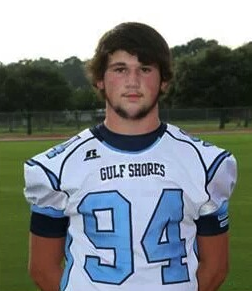
Congratulations to Gulf Shores clinic athlete of the Month, Anthony Byrd!
Congratulations to Sam Riley, the Winfield Clinic Athlete of the Month!
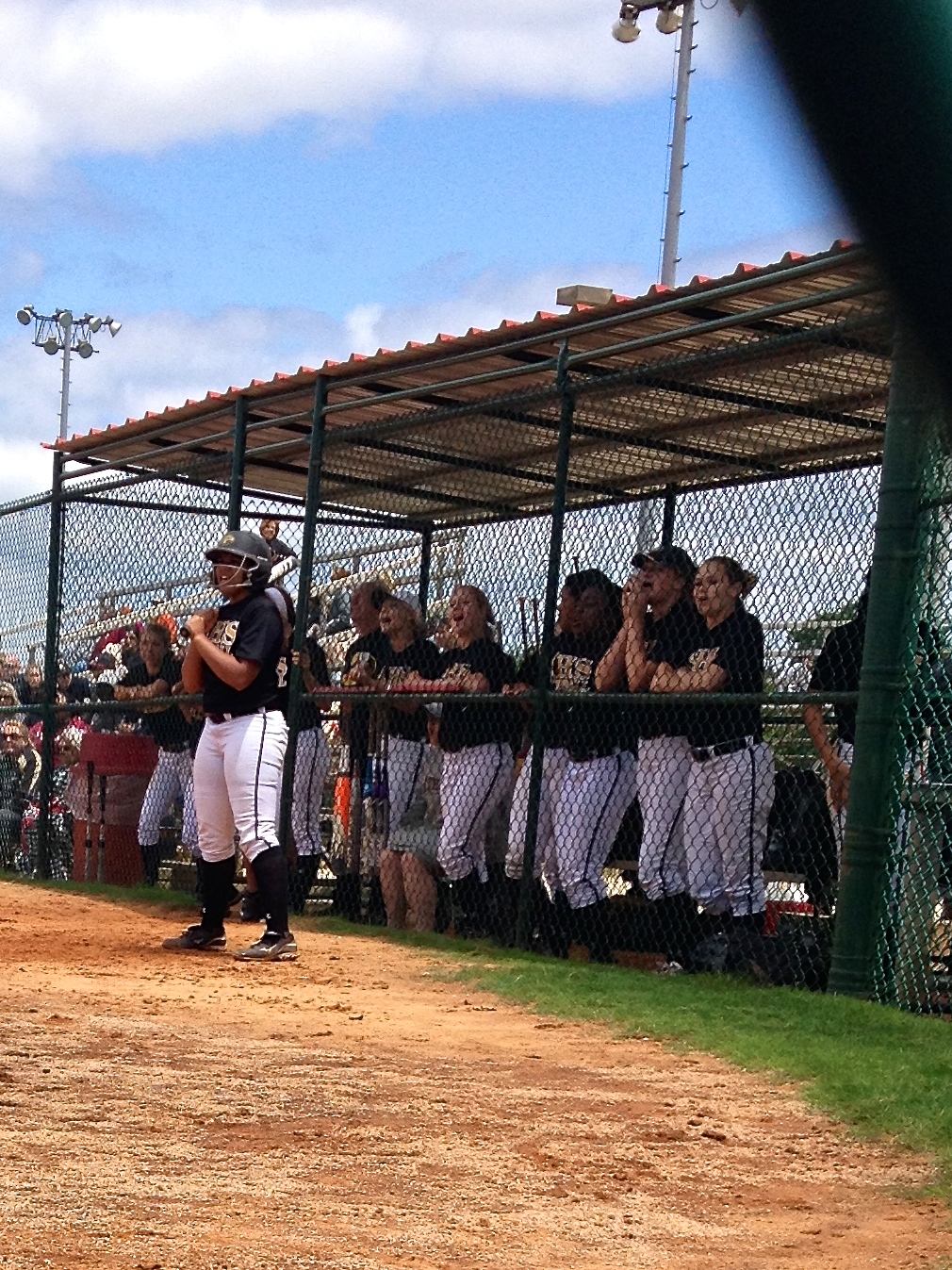
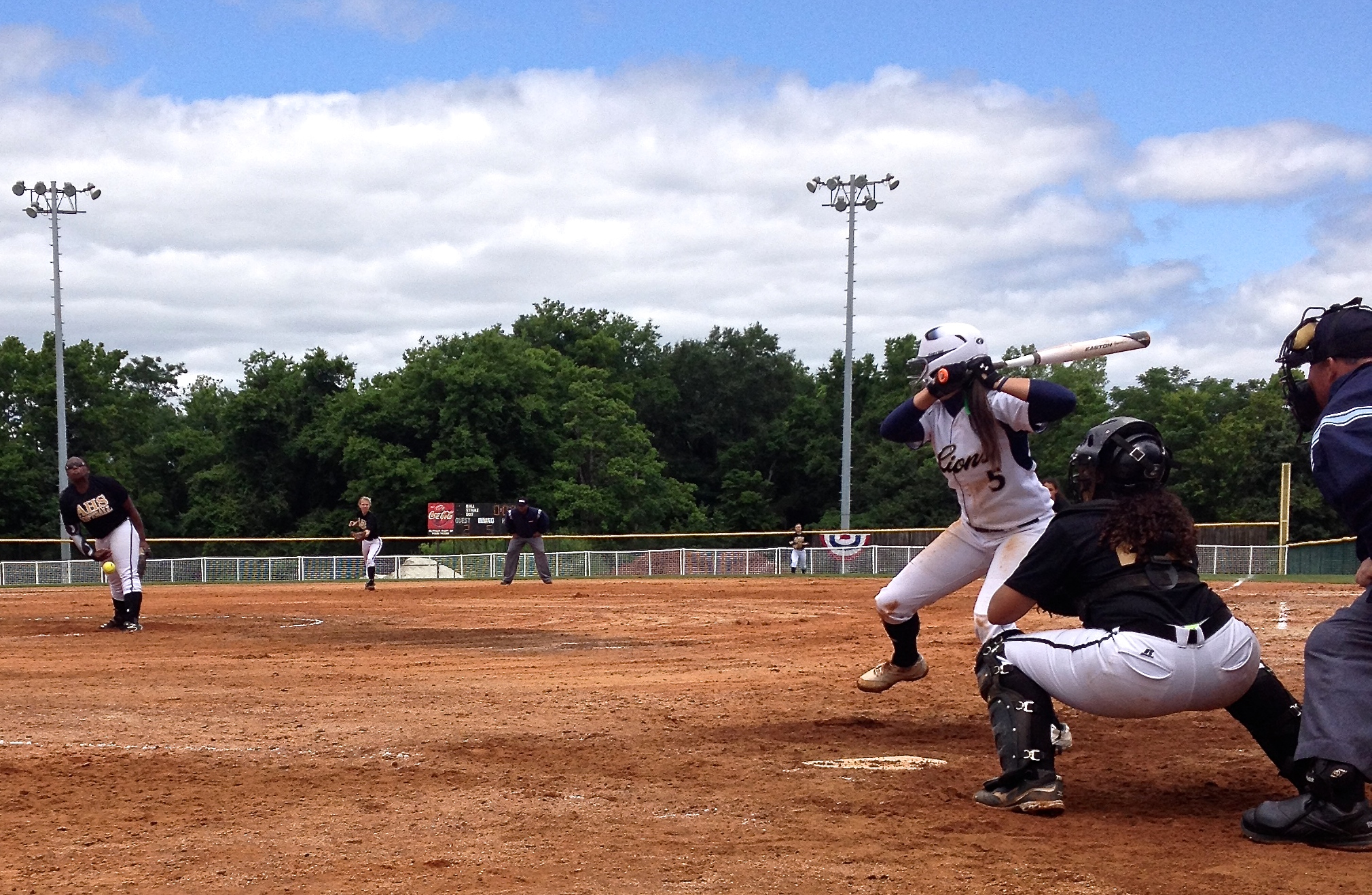
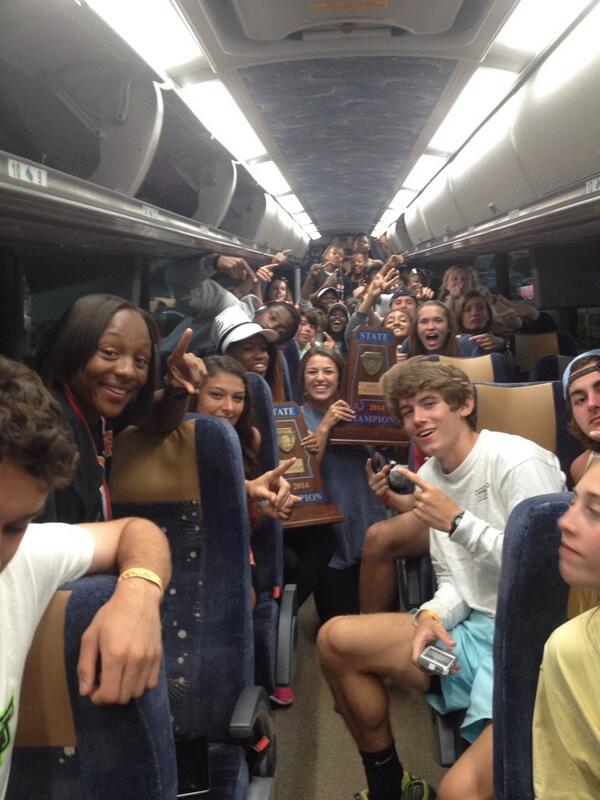
Congratulations to Sam Riley, a Senior at Winfield City High School who just recently won a state championship with the Winfield Softball team! Sam is planning on attending Wallace State Community College on a Softball scholarship and is pursuing a degree in Physical Therapy and Ultrasound. Sam is the daughter of Andy and Bobby Riley.
A few at home remedies for mild Carpal Tunnel syndrome.
“Carpal tunnel syndrome is numbness, tingling, weakness, and other problems in your hand because of pressure on the median nerve in your wrist. The median nerve and several tendons run from your forearm to your hand through a small space in your wrist called the carpal tunnel. The median nerve controls movement and feeling in your thumb and first three fingers (not your little finger).
Symptoms most often occur in the thumb, index finger, middle finger, and half of the ring finger. If you have problems with your other fingers but your little finger is fine, this may be a sign that you have carpal tunnel syndrome. A different nerve gives feeling to the little finger.”
Mild symptoms usually can be treated with home care. You can:
- Stop activities that cause numbness and pain. Rest your wrist longer between activities.
- Ice your wrist for 10 to 15 minutes 1 or 2 times an hour.
- Try taking nonsteroidal anti-inflammatory drugs (NSAIDs) to relieve pain and reduce swelling.
- Wear a wrist splint at night. This takes pressure off your median nerve.
“The sooner you start treatment, the better your chances of stopping symptoms and preventing long-term damage to the nerve.”
You can also try to take good care of your wrists and hands:
- Try to keep your wrist in a neutral position.
- Use your whole hand—not just your fingers—to hold objects.
- When you type, keep your wrists straight, with your hands a little higher than your wrists. Relax your shoulders when your arms are at your sides.
- If you can, switch hands often when you repeat movements
Source: Carpal Tunnel Syndrome – Topic Overview. (2012, October 2). . Retrieved May 21, 2014, from http://www.webmd.com/pain-management/carpal-tunnel/carpal-tunnel-syndrome-topic-overview
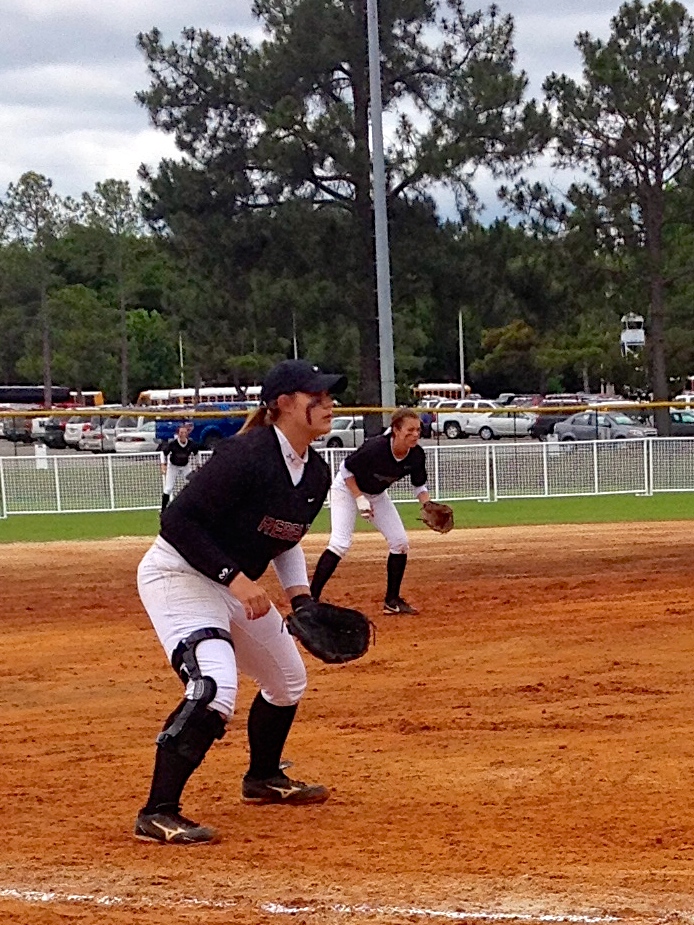
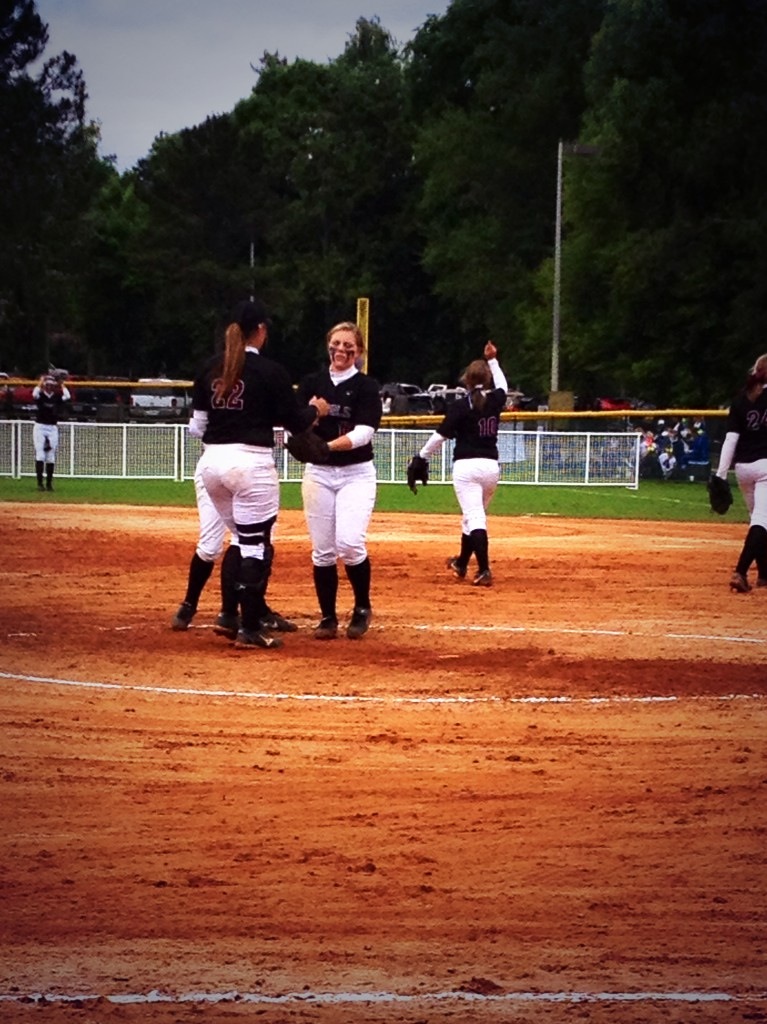
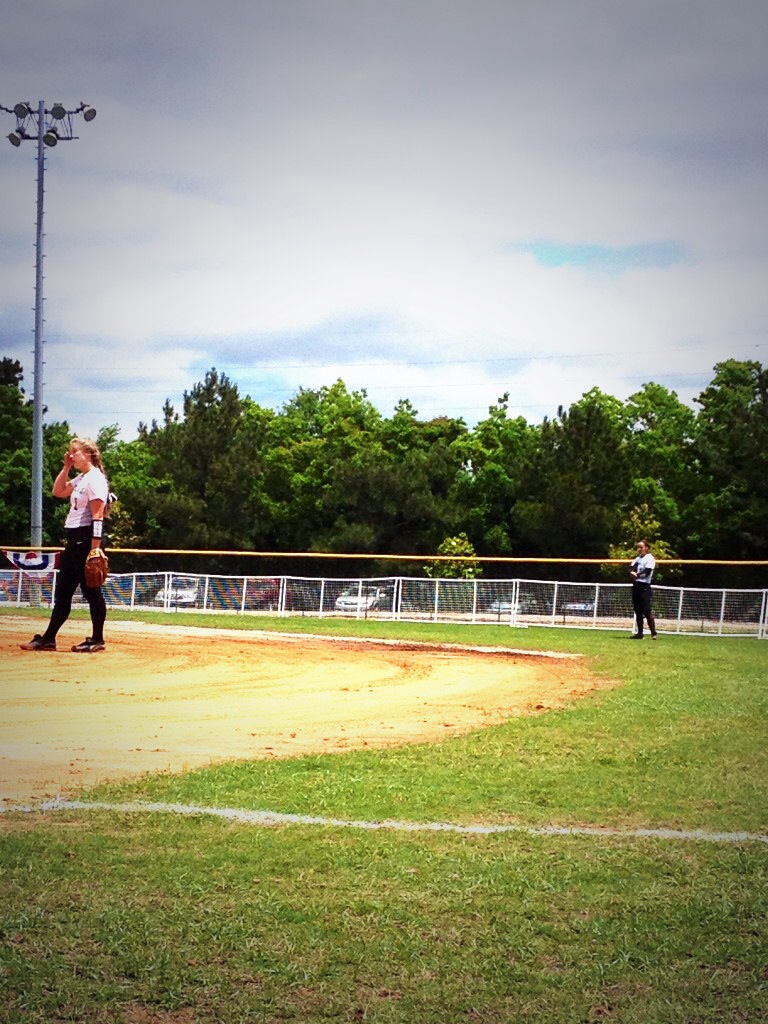
Pictures from Day 1 of the State Softball games in Montgomery, AL!
What is a Torn Rotator Cuff and what to expect after Surgery.
“The rotator cuff is a group of four tendons and the related muscles that stabilize the shoulder joint and allow you to raise and rotate your arm. The shoulder is a ball-and-socket joint with three main bones: the upper arm bone (humerus), the collarbone (clavicle), and the shoulder blade (scapula). These bones are held together by muscles, tendons, ligaments, and the joint capsule. The rotator cuff helps keep the ball of the arm bone seated into the socket of the shoulder blade.
- Removing loose fragments of tendon, bursa, and other debris from the space in the shoulder where the rotator cuff moves (debridement).
- Making more room for the rotator cuff tendon so it is not pinched or irritated. If needed, this includes shaving bone or removing bone spurs from the point of the shoulder blade (subacromial smoothing).
- Sewing the torn edges of the supraspinatus tendon together and to the top of the upper arm bone (humerus).
In open shoulder surgery, a surgeon makes an incision [2 in. (5 cm) to 3 in. (7.6 cm)] in the shoulder to open it and view the shoulder directly while repairing it. A smaller incision can be done with a mini-open procedure that allows the surgeon to reach the affected tendon by splitting the deltoid muscle. This method may reduce your chances of problems from a deltoid injury.
Open-shoulder surgery often requires a short stay in the hospital.
General anesthesia or a nerve block may be used for these types of surgical repair.
Rotator cuff tears can sometimes be repaired with arthroscopic surgery.
Surgery to repair a torn rotator cuff tendon usually involves:
Discomfort after surgery may decrease with taking pain medicines prescribed by your doctor.
The arm will be protected in a sling for a defined period of time, especially when at risk of additional injury.
*Physical therapy after surgery is crucial to a successful recovery. A rehabilitation program may include the following:
- As soon as you awake from anesthesia, you may start doing exercises that flex and extend the elbow, wrist, and hand.
- The day after surgery, if your doctor allows, passive exercises that move your arm may be done about 3 times a day (a machine or physical therapist may help the joint through its range of motion).
- Active exercise (you move your arm yourself) and stretches, with the assistance of a physical therapist, may start 6 to 8 weeks after surgery. This depends on how bad your tear was and how complex the surgical repair was.
- Strengthening exercises, beginning with light weights and progressing to heavier weights, can start a few months after surgery.”
Source:
William, B., & Timothy, B. (2011, November 11). Rotator Cuff Repair. Retrieved from http://www.webmd.com/a-to-z-guides/rotator-cuff-repair
Encore Athletes at the AHSAA State Track Meet: May 2-3, 2014
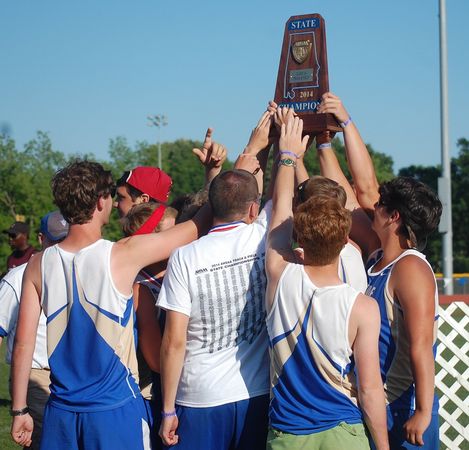
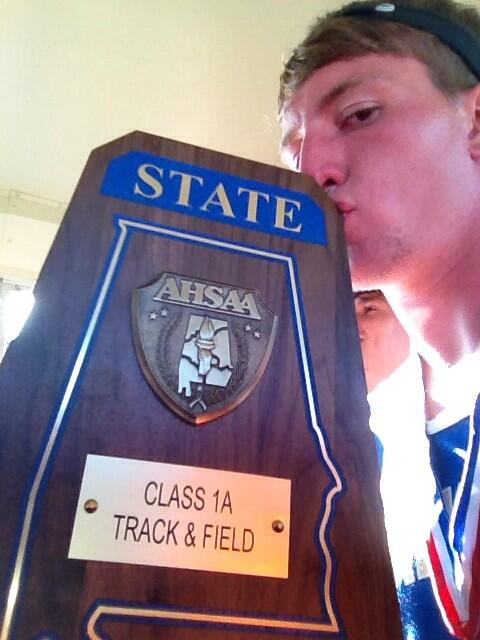
Congratulations to all the team and individual, State Champions at the 2014 AHSAA State Meet last weekend! There was a lot of hard work and dedication put into this season’s track teams and it definitely showed. We are proud to be a sponsor for AHSAA events such as these! We love to see athletes perform their best!
Congratulations to the Hoover High School Men’s and Women’s Track and Field team on their 6A State Championship Title!
Congratulations to the Homewood High School Men’s and Women’s Track and Field team on their 5A State Championship Title!
Congratulations to the UMS-Wright Boys Track and Field Team on their 4A State Championship Title!
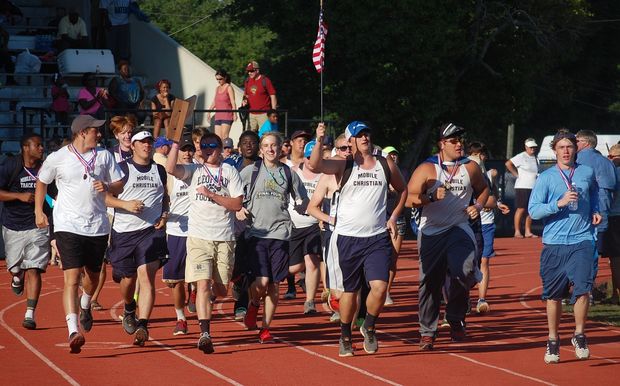
Congratulations to Mobile Christian Men’s Track and Field Team on their 2A State Championship Title! 
Congratulations to Falkville High School Men’s Track and Field Team on their 1A State Championship!
Classmates, to friends, to Business Partners: The story of Encore Rehabilitation, Inc.
University of South Alabama Graduating Class of 1980
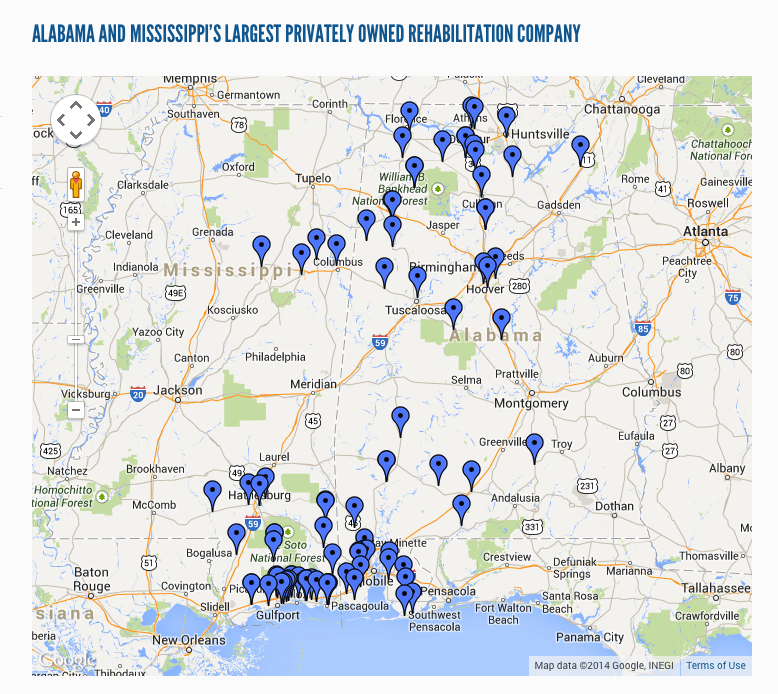
Under the partnership of Paul G. Henderson, PT and Paige B. Plash, PT, Encore Rehab was founded in 1981 and delivers the best rehabilitation services to thousands of patients daily in locations throughout Alabama and Mississippi. Encore Rehab is an employee-focused company with a tremendous team of dedicated and experienced employees who understand the many environments in which a therapist can provide treatment. Through the company’s specialized divisions, Encore Rehab provides rehabilitation services of unsurpassed quality that help patients return to a healthier lifestyle.
2014 Decatur Dragon Boat Races
Dragon Boat Race & Festival
Join us for the Decatur Dragon Boat Race & Festival, May 10th at Point Mallard Aquatic Center Beach! This will be family-friendly, all day event you don’t want to miss! Proceeds go to The Decatur Morgan Hospital Foundation, a 501(c)3 organization providing financial support to the programs and services of Decatur Morgan Hospital.
“Dragon boat racing is the one of the fastest growing sports in the world and the most fun, unique cultural event featuring adrenaline-pumping action. Teams of 20 paddlers, a drummer and steerer race in authentic, 46-foot-long dragon boats. All ages, skill levels and physiques can paddle, making it the ultimate team building sport, requiring synchronicity and finesse, more than power to win.”
So bring your folding chair, a blanket and some sunscreen and enjoy the races! We hope to see you there!
The deadline to register for a dragon boat team is April 28th! Sign up here: http://www.decaturdragonboat.org